Selling a Home in Chicago, Step by Step

Selling a home comes with a lot of moving parts, but they happen in a pretty predictable order, and it helps to know what's coming. Here's how a sale works on Chicago's North Side, from our first conversation to the day you hand over the keys, with what you'll do at each step and what I'm handling behind the scenes. A few pieces are specific to Chicago, like attorney review, the city's water certificate and the way Cook County bills property taxes, and I'll explain each one when we get there.

We sit down and talk about your plans

Our first conversation is about you more than the house. I want to know why you're selling, when you need to be out and where you're headed next, because those answers shape everything that follows, from the price to the closing date. If you're also buying your next home, we talk through which one should happen first.

Before we ever talk about a list price, I estimate what you'll walk away with once the mortgage, my commission, your attorney, title charges and transfer taxes are paid. If you'd like a rough number before we meet, my seller's net sheet calculator gives you a quick first look.

Modern kitchen with a wood-paneled island, three stools, and large windows.

I see your home and we set the price

Next, I come walk through your home with you. You don't need to clean before I come over, and I mean that, because I'm looking at what buyers in your price range will notice and how your home compares with what's actually selling right now on your block or in your building.

Then I put together a market analysis, which compares your home with recent sales nearby, and I recommend a price with those sales behind it so you can see exactly how I got there. In my experience, the first couple of weeks on the market bring the most attention, so the right price from day one protects your best window. Once you're comfortable with the price and the plan, we sign the listing agreement. This is also the time to line up a real estate attorney, because in Chicago the buyer and the seller each usually have one.

Bright living room with white sofas, tall windows, and herringbone wood flooring.

We get your home ready and on the market

After our walk-through, I give you a short prep list and tell you honestly which projects are worth the money. Usually it's cleaning, clearing out clutter, touch-up paint and small repairs rather than a renovation, and fixing anything a buyer's inspector is likely to flag keeps it from turning into a negotiation later. I'm happy to recommend contractors, cleaners or a stager if you need them.

This is also when you fill out the Illinois disclosure form, which lists any problems you know about in the home, along with a lead paint form if it was built before 1978 and, for most homes, a radon form, and I walk you through each one. If you're selling a condo, we request the association's documents now, because buyers have a right to see them and the building can take a couple of weeks to send them.

Once the house is ready, a professional photographer comes in, and your home goes live on the MLS, the shared listing service local agents use to find homes for their buyers, and on Compass. I schedule every showing, so you always get a heads-up before anyone comes through, and my article on selling your home while you're still living in it has tips for that part. After showings, I pass along what buyers' agents say, and if the feedback keeps pointing to the same thing, we talk about it instead of hoping it goes away.


Offers come in and you choose one

When offers arrive, I lay them out side by side so you can compare them in one place. The highest price isn't always the best offer, because the buyer's financing, the size of their deposit, the closing date they want and how much they're likely to ask for after the inspection all change what you'll actually walk away with and how likely the sale is to close.

You can accept an offer, make a counteroffer or pass, and I walk you through the trade-offs in each one. Once you and the buyer agree and sign, you're under contract, and the buyer puts down earnest money, which is a deposit that shows they're serious.

Bright white kitchen with a large quartz island, farmhouse sink, and windows overlooking the adjoining living area.

Attorney review, inspection and the buyer's loan

Once you accept an offer, two windows open at the same time, and each one lasts five business days. During attorney review, both attorneys read the contract and can suggest changes, and if you and the buyer can't agree on them, either of you can cancel. During the inspection, the buyer's inspector goes through your home, and the buyer can ask for repairs or a credit on bigger items like the roof, furnace or plumbing, while small cosmetic things don't count.

If the buyer asks for something, we decide together whether to make the repair, offer a credit or say no, and your attorney puts the answer in writing. This is usually the most nerve-racking part of a sale, and my job is to keep it calm and focused on what actually matters.

If your buyer is getting a mortgage, their lender orders an appraisal, which is an independent opinion of your home's value, and the buyer has a deadline in the contract to get final loan approval, usually 45 days after you accepted the offer. If the appraisal comes in below the price, we look at the options together. Meanwhile, your attorney gets everything ready for closing, including your mortgage payoff, the title work and the city's Full Payment Certificate, which shows your water bill is paid and has to be in hand before the sale can close. If you're selling a condo, the association also confirms in writing that your dues are paid up.

White kitchen with a large stone island, brass hardware, tiled backsplash, and stainless steel range.

Closing day

In the last few days before closing, the buyer does a final walk-through to make sure the home is in the condition you agreed to, so plan to be moved out, with the place swept and emptied, unless your contract says otherwise.

At closing, you sign the paperwork, often ahead of time with your attorney, and your mortgage is paid off from the sale. Your closing statement will show a couple of costs that are specific to Chicago. Sellers here pay transfer taxes to the state, Cook County and the city, which come to about $2,700 on a $600,000 sale, and because Cook County bills property taxes a year behind, you give the buyer a credit for the time you lived there that hasn't been billed yet. Then the buyer gets the keys, the money from the sale is sent to you, and you're done. Keep your closing statement with your tax records, because your tax adviser will want to see it.

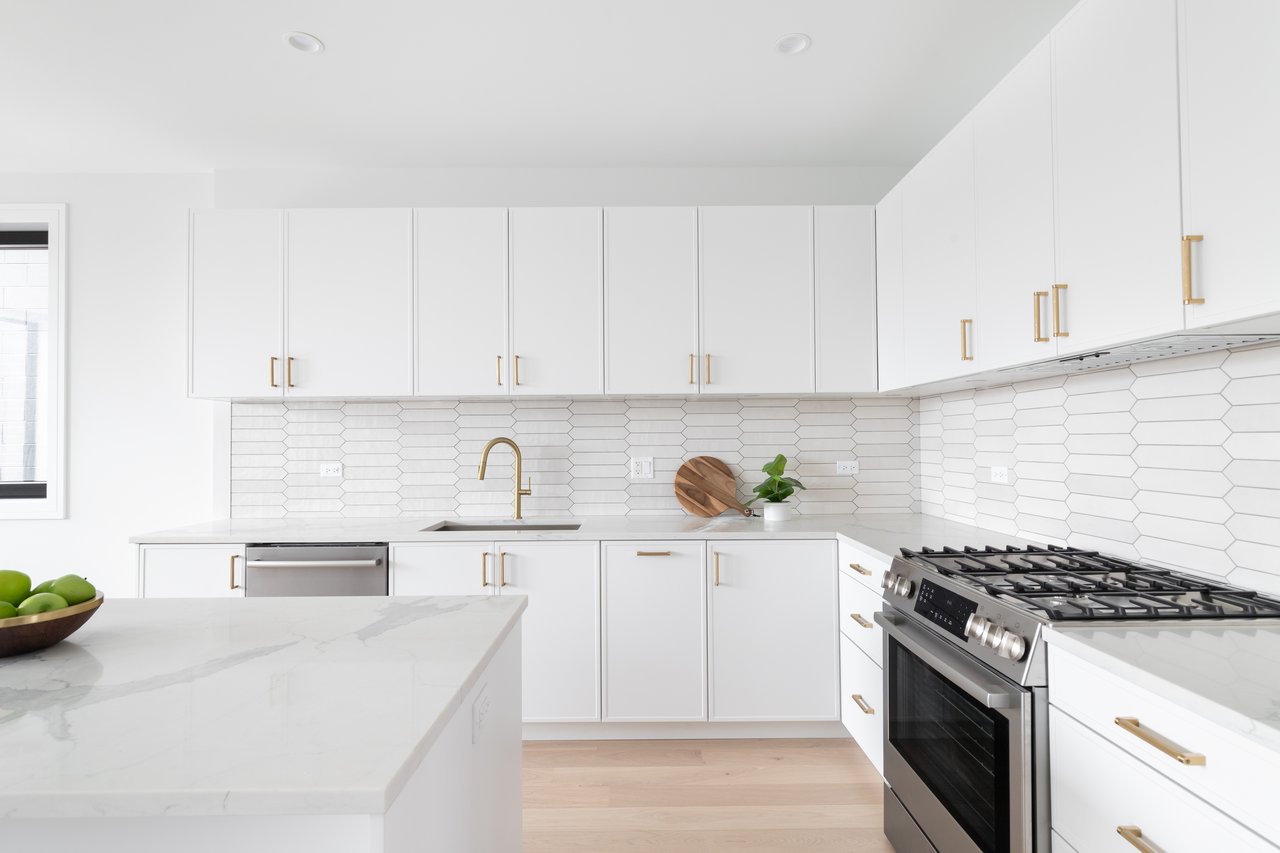
Bright white kitchen with brass hardware, geometric tile backsplash, and stainless steel gas range.

Work With Megan

Megan's extensive local knowledge and proficiency in the intricate financial aspects of real estate transactions enable her to guide clients effectively through Chicago’s complex market. Contact Megan today to embark on a rewarding journey in the Chicago real estate market.

Follow Me on Instagram