


Buying a Home in Chicago, Step by Step

Buying a home in Chicago comes with a few rules you won't find in a national guide. Attorneys review the contract, the city charges buyers a transfer tax, and Cook County property taxes are billed a year behind, so the money you bring to closing looks different than you might expect. Here's how a purchase works on the North Side, from your first lender call to the day you get your keys, and where I fit in along the way.


Know your monthly number before you shop


I always suggest talking to a lender before you start looking at listings. A pre-approval tells you what you can borrow, but the number that matters is the monthly payment you're comfortable with, including property taxes, insurance and any association dues. Rates change every week, and Freddie Mac's survey put the average 30-year fixed rate at 7.40% in October 2026, while your own rate depends on your credit, down payment and loan type. Gather your pay stubs, W-2s, tax returns and bank statements now, and hold off on new credit cards, car loans or job changes until after closing, because your lender checks again before the loan funds.
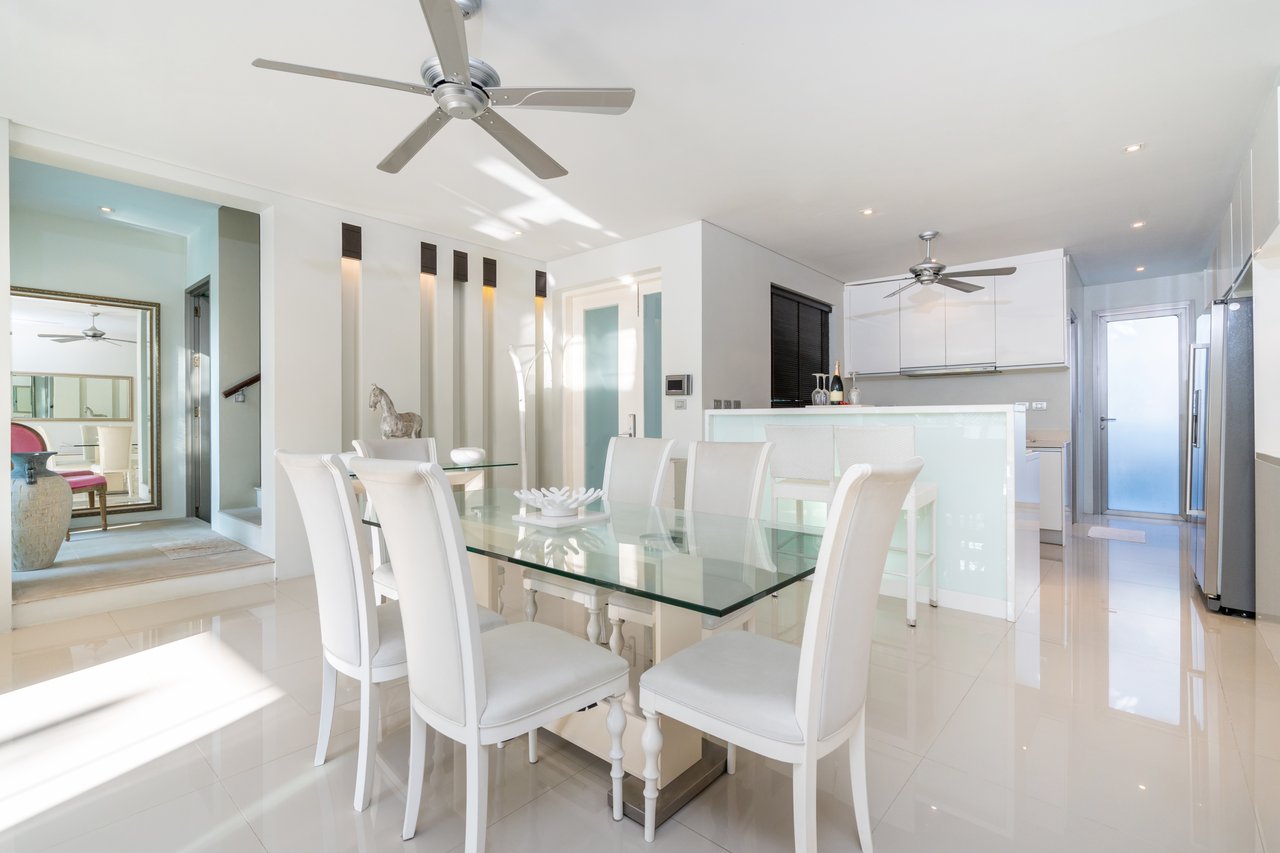
Modern dining area with a glass table, white chairs, glossy tile floors, and an adjoining kitchen.

Sign a buyer agreement and choose your neighborhoods

Since August 17, 2024, REALTORS® need a written agreement with you before we tour a home together, in person or by video. It spells out what I do for you and how I'm paid, the amount has to be stated clearly, and the terms are negotiable, so read it and ask me anything. Once that's signed, we narrow down where you want to live. Most of my buyers look in Roscoe Village, Lakeview, Lincoln Park, North Center, Lincoln Square and Ravenswood, and the right block depends on your commute, the space you need and what the monthly payment looks like there.

Bright modern living room with a fireplace, open kitchen, and floor-to-ceiling garden-facing windows.

Tour with the research in hand

When a home looks right, I pull the comparable sales, the listing history and anything that could affect value or resale before you get attached to it. For a condo, the building matters as much as the unit. Illinois law requires a condo seller to provide key association records when a buyer asks, including the declaration and bylaws, any unpaid assessments, capital expenses planned for the next two years, the reserves, the latest financial statement, pending lawsuits and the building's insurance, and I go through them with you before you commit. A home that has been sitting, a building with thin reserves or a price that's out of line with recent sales all change how we write the offer.

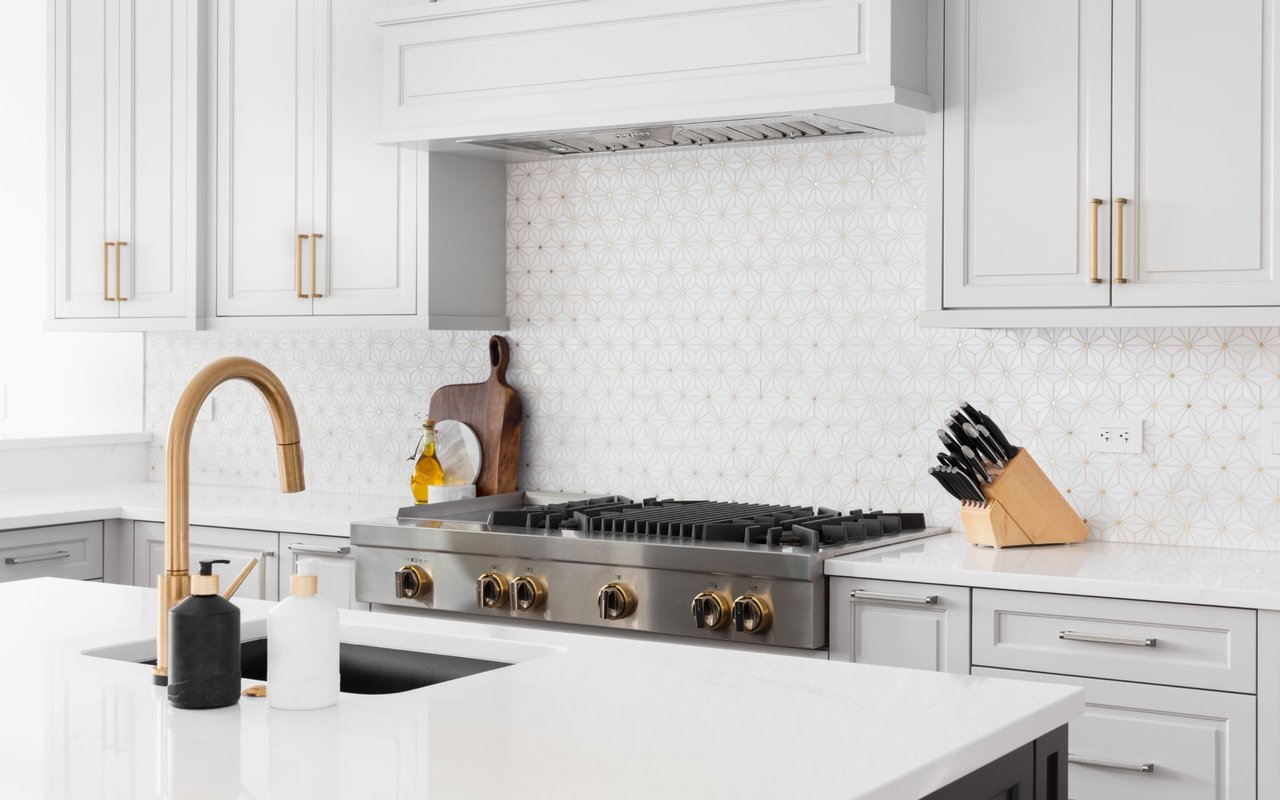
Bright white kitchen with gold fixtures, geometric tile backsplash, and a stainless steel range.

Write an offer that can win without overpaying

Most offers in the Chicago area are written on the Multi-Board Residential Real Estate Contract, and price is only one of its terms. The earnest money, the closing date, the financing and how you plan to handle inspection requests can matter just as much to a seller. Before we write anything, I find out what the seller cares about. I recently represented two brothers buying a two-flat against four other offers, and they won with an offer $10,000 below the highest one because the timing and terms fit what the seller needed. I'll also tell you honestly when a home is worth stretching for and when it isn't.

White kitchen with a stainless steel range, sculptural hood, and veined marble backsplash.

Attorney review, inspection and your loan

Once the seller accepts, several deadlines start at once. Under the standard contract, the attorneys have five business days to approve it or propose changes, and you have five business days to inspect and raise problems with major components such as the roof, furnace or plumbing, while cosmetic items don't count. Your lender orders an appraisal to confirm the price is supported, and your loan approval deadline is usually 45 days after acceptance or five business days before closing, whichever comes first. If the home was built before 1978, the seller gives you a lead-based paint disclosure and the EPA's pamphlet, and unless it's a condo on the third floor or higher, you also get the state's radon disclosure and pamphlet, so ask your inspector about a radon test.

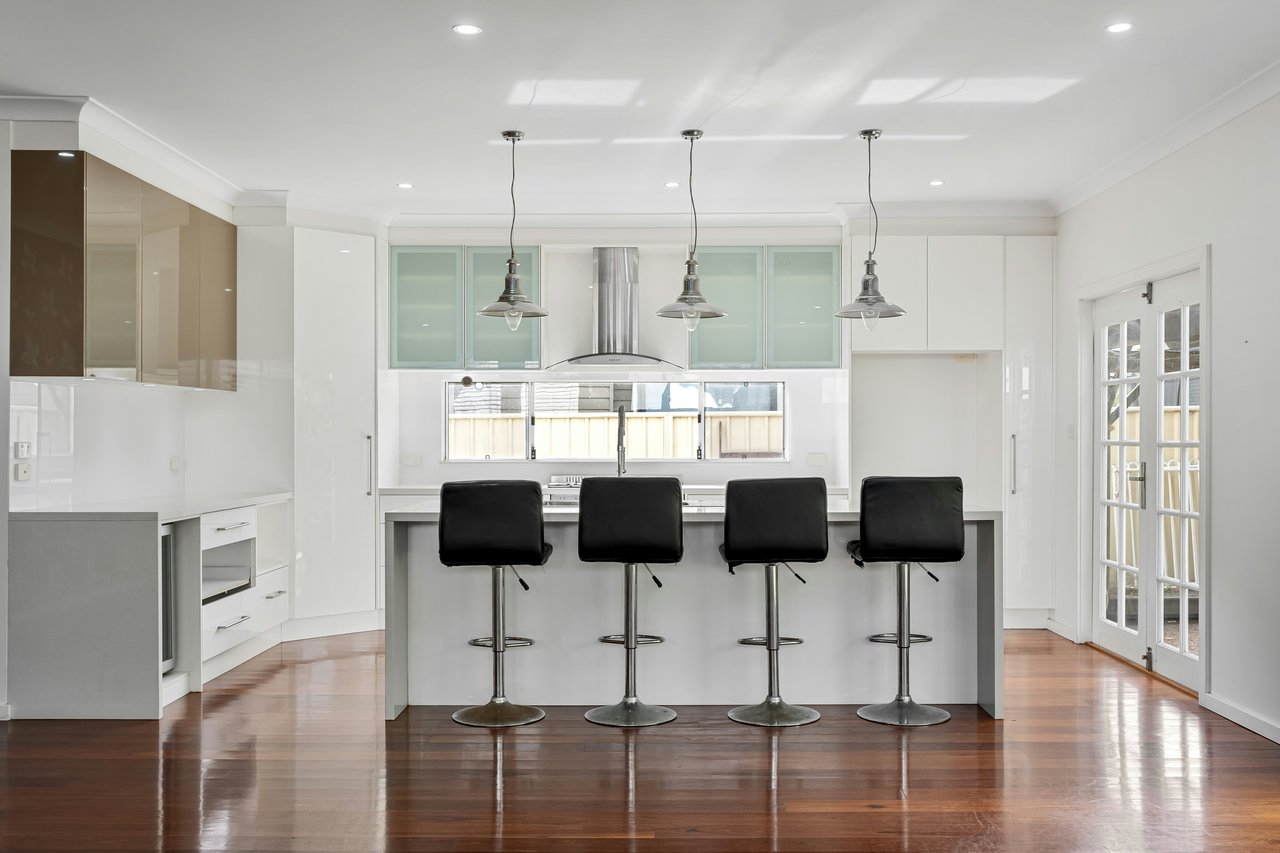
Modern white kitchen with an island, four black stools, pendant lights, and dark hardwood floors.

Closing day and what you'll pay

At least three business days before closing, your lender sends the Closing Disclosure, which you can compare against the Loan Estimate you received at the start. Chicago buyers pay the city's transfer tax of $3.75 for every $500 of the price, which comes to $4,500 on a $600,000 home. Because Cook County property taxes are paid a year behind, the seller gives you a credit at closing for their time in the home, and you pay that bill when it arrives. You'll also pay your attorney, your inspector, title charges and prepaid taxes and insurance. We do a final walk-through, you sign at the title company, and the keys are yours.

Modern kitchen with light wood cabinets, stainless-steel refrigerator, white island, and open staircase.

Work With Megan

Megan's extensive local knowledge and proficiency in the intricate financial aspects of real estate transactions enable her to guide clients effectively through Chicago’s complex market. Contact Megan today to embark on a rewarding journey in the Chicago real estate market.

Follow Me on Instagram